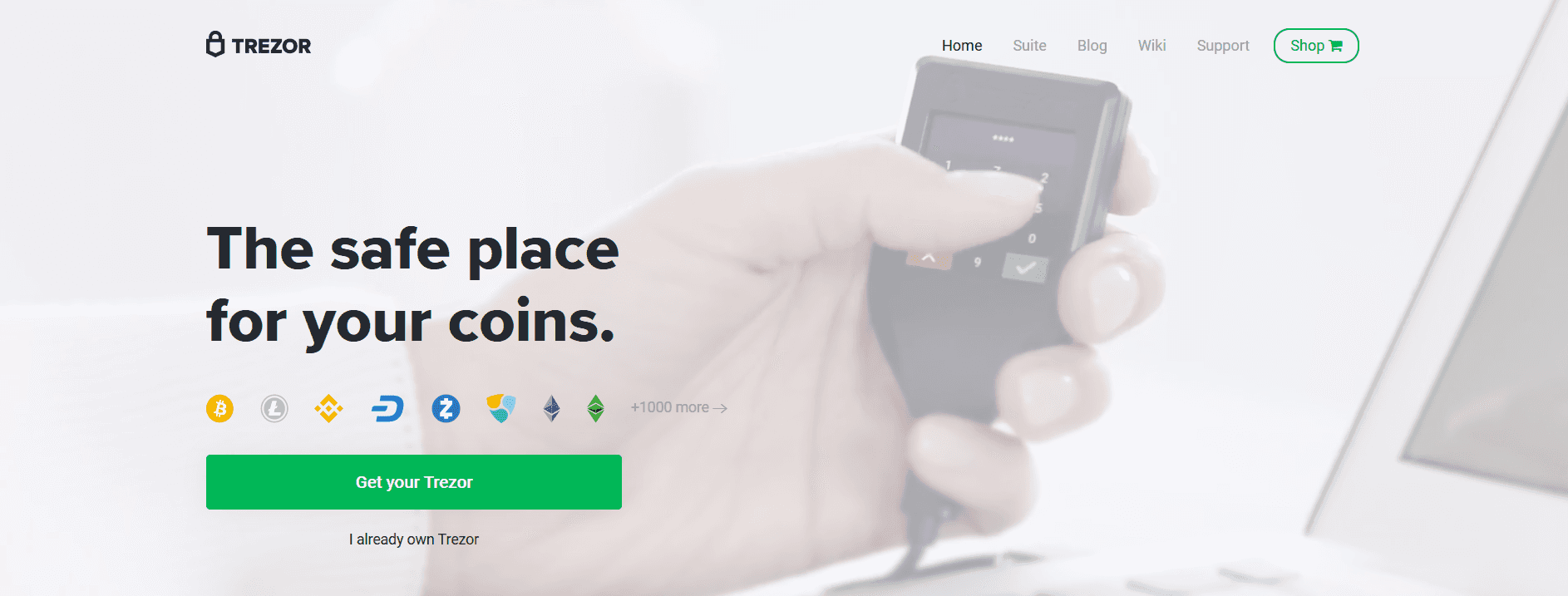
Trezor.io/start:
Introduction to Trezor.io/start
Trezor.io/start is the official onboarding page for setting up a Trezor hardware wallet. It serves as the starting point for users who want to securely store, manage, and protect their cryptocurrency assets using a Trezor device. Whether you are new to crypto or an experienced investor, Trezor.io/start provides step-by-step instructions to ensure your wallet is configured safely from the very beginning.
Hardware wallets like Trezor are designed to give users full control over their private keys while keeping them offline. The setup process at Trezor.io/start is a critical step, as it establishes the foundation for long-term security, ownership, and peace of mind.
What Is Trezor and Why Trezor.io/start Matters
Trezor is one of the first and most trusted hardware wallet brands in the cryptocurrency ecosystem. Unlike software wallets or exchanges, Trezor devices store private keys offline, reducing exposure to hacks and malware.
Why Trezor.io/start Is Important
Ensures your device is genuine
Guides you through secure initialization
Helps install official firmware
Generates your recovery seed safely
Skipping or incorrectly following the setup process can compromise security, which is why Trezor.io/start is essential for every user.
Understanding the Purpose of Trezor.io/start
Trezor.io/start acts as a secure gateway that connects your new Trezor device to official software tools. It ensures users do not accidentally download fake applications or firmware from untrusted sources.
Key Functions of Trezor.io/start
Verifies your Trezor device
Installs or updates firmware
Connects to Trezor Suite
Helps create or restore a wallet
This page ensures that your crypto journey begins in a safe and controlled environment.
Supported Trezor Devices at Trezor.io/start
Trezor.io/start supports all official Trezor hardware wallets.
Compatible Devices
Trezor Model One
Trezor Model T
Each device follows a similar setup process, though the interface and input methods may vary slightly.
Preparing for Setup Before Visiting Trezor.io/start
Before beginning the setup process, it’s important to prepare properly.
What You’ll Need
A new or reset Trezor device
A computer or smartphone
Internet connection
Pen and paper for recovery seed
Avoid using public computers or shared devices during setup, as this could expose sensitive information.
Step-by-Step Setup Guide Using Trezor.io/start
Step 1: Connect Your Trezor Device
Plug your Trezor device into your computer using the provided USB cable.
Step 2: Visit Trezor.io/start
Open your browser and navigate to Trezor.io/start. This page will guide you to the correct software for your operating system.
Step 3: Install Trezor Suite
Trezor Suite is the official application used to manage your wallet. Download and install it as instructed.
Step 4: Install Firmware
If your device is new, Trezor.io/start will prompt you to install official firmware. This step verifies the authenticity of your device.
Step 5: Create a New Wallet
Choose the option to create a new wallet. Your Trezor device will generate a recovery seed.
Step 6: Write Down Your Recovery Seed
Carefully write down the recovery words in the correct order. Never store them digitally.
Step 7: Confirm the Recovery Seed
The device will ask you to confirm selected words to ensure accuracy.
Once completed, your wallet is ready for use.
Understanding the Recovery Seed Generated at Trezor.io/start
The recovery seed is the most critical element of your wallet security.
What the Recovery Seed Does
Restores your wallet if the device is lost or damaged
Proves ownership of your crypto assets
Acts as the ultimate backup
Anyone with access to your recovery seed can control your funds, so it must be protected at all costs.
Best Practices for Securing Your Recovery Seed
Recommended Security Measures
Write it on paper, not digitally
Store it in a fireproof location
Never share it with anyone
Avoid taking photos of it
Trezor.io/start emphasizes these practices to help users avoid common mistakes.
Trezor.io/start and Wallet Restoration
If you already have a recovery seed, Trezor.io/start also supports wallet restoration.
Restoration Steps
Connect your Trezor device
Visit Trezor.io/start
Open Trezor Suite
Select “Recover wallet”
Enter your recovery seed on the device
This allows you to regain access to your funds securely.
Using Trezor Suite After Setup
Once setup is complete via Trezor.io/start, Trezor Suite becomes your main dashboard.
Features Available
View crypto balances
Send and receive assets
Manage multiple accounts
Track portfolio performance
All sensitive actions must be confirmed on the Trezor device itself.
Security Architecture Behind Trezor.io/start
Trezor.io/start is designed with security-first principles.
Offline Private Key Storage
Private keys never leave the Trezor device.
Device-Based Confirmation
Transactions must be approved physically on the device.
Open-Source Transparency
Trezor firmware and software are open source, allowing public security audits.
Why Trezor.io/start Is Safer Than Software Wallet Setup
Software wallets often generate private keys on internet-connected devices.
Advantages of Trezor.io/start
Offline key generation
Hardware-based authentication
Reduced malware risk
Protection from phishing
This makes Trezor wallets ideal for long-term asset storage.
Common Issues During Trezor.io/start Setup
Device Not Recognized
Try a different USB port
Use the original cable
Restart your computer
Firmware Installation Fails
Ensure stable internet
Do not disconnect the device
Retry using Trezor Suite
Browser Compatibility Issues
Use updated Chrome, Firefox, or Edge
Disable conflicting browser extensions
Most issues can be resolved with basic troubleshooting.
Trezor.io/start and Firmware Updates
Firmware updates are critical for security and compatibility.
Update Best Practices
Always verify prompts on the device
Never install firmware from unofficial sources
Back up your recovery seed before updating
Trezor.io/start ensures updates are authentic and safe.
Using Trezor.io/start on Different Operating Systems
Supported Platforms
Windows
macOS
Linux
Mobile access is available through compatible integrations, but initial setup is recommended on desktop for stability.
Privacy Considerations with Trezor.io/start
Trezor.io/start does not require account creation.
Privacy Benefits
No email registration
No personal data storage
Local wallet management
This aligns with the decentralized philosophy of cryptocurrency.
Trezor.io/start vs Exchange Wallet Setup
Exchange wallets store private keys on centralized servers.
Why Trezor.io/start Is Better
Full ownership of assets
No third-party custody
Reduced risk of exchange hacks
Independent access
For users who value control, Trezor.io/start is a superior choice.
Long-Term Crypto Storage with Trezor.io/start
Trezor.io/start is especially suitable for long-term investors.
Why It’s Ideal
Cold storage security
Minimal online exposure
Durable hardware design
Many users set up once and securely store assets for years.
Advanced Features Available After Setup
Once setup is complete, users can explore advanced options.
Advanced Capabilities
Passphrase protection
Multiple hidden wallets
Coin control features
Integration with third-party apps
These features provide additional layers of security and flexibility.
Frequently Asked Questions About Trezor.io/start
Is Trezor.io/start mandatory?
Yes, it is the recommended and safest way to initialize a Trezor device.
Can I skip firmware installation?
No, firmware is required for secure operation.
Does Trezor.io/start store my recovery seed?
No, the recovery seed is generated and displayed only on the device.
Final Thoughts on Trezor.io/start
Trezor.io/start is the foundation of secure cryptocurrency ownership using a Trezor hardware wallet. By guiding users through verified firmware installation, wallet creation, and recovery seed generation, it ensures that security is established from the very beginning.
Whether you are holding crypto long-term or actively managing assets, starting correctly at Trezor.io/start protects you from common risks associated with online wallets and centralized platforms. By following best practices and understanding the setup process, users can confidently take full control of their digital assets.